Updated September 2026 to include current CDC and FDA guidance on contact lenses and water exposure, plus safer vision-correction options for snorkeling.
If you normally wear contact lenses, it can be tempting to leave them in when you go snorkeling or scuba diving. After all, your snorkel mask should keep most of the water away from your eyes, so is it actually a problem?
The short answer is yes: wearing contact lenses while snorkeling carries an eye-infection risk. Both the CDC and FDA recommend removing contact lenses before swimming because contacts should not be exposed to water, including ocean, lake and swimming-pool water.
Water can contain microorganisms that become trapped between a contact lens and the eye. Soft contact lenses can also absorb water, causing them to swell, change shape or stick to the eye. This can irritate or scratch the cornea and make it easier for germs to cause an infection.
That doesn't mean poor eyesight has to leave the reef blurry. In this guide, we'll explain why snorkeling with contacts isn't recommended, what to do if your contacts are exposed to water, and safer ways to see clearly underwater.
Why Is Snorkeling With Contact Lenses Risky
Contact lenses are designed to sit directly on the surface of your eye, which makes exposing them to water particularly problematic.
Water isn't sterile. Ocean water, freshwater and swimming-pool water can all contain microorganisms. If water gets into your snorkel mask, these microorganisms can become trapped between your contact lens and the surface of your eye.
Water can also cause soft contact lenses to change shape, swell or stick to the eye. This can irritate the cornea and may make it easier for microorganisms to cause an infection.
One of the most serious infections associated with contact lenses and water exposure is Acanthamoeba keratitis. Acanthamoeba is a microscopic organism found in water and soil. Although this infection is rare, it can be difficult to treat and, in severe cases, can result in vision loss.
This is why wearing a snorkel mask doesn't completely eliminate the risk. A well-fitting mask should keep most water out, but masks can still leak or flood while you're snorkeling.
What Should You Do If Water Gets on Your Contact Lenses?
If water gets into your snorkel mask while you're wearing contact lenses, remove the lenses as soon as possible. The CDC advises throwing them away or cleaning and disinfecting them overnight before wearing them again.
Pay attention to how your eyes feel afterward. Symptoms such as eye pain, redness, blurred vision, sensitivity to light, excessive tearing, or the sensation that something is in your eye can be signs of a corneal infection.
If you develop unusual or persistent eye symptoms after water exposure, remove your contact lenses and contact an eye-care professional promptly. Eye infections can worsen if left untreated.
What Can You Wear Instead of Contact Lenses For Snorkeling or Diving?
If you rely on contact lenses to see clearly, you don't have to choose between blurry vision and exposing your contacts to water. There are several alternatives, depending on your prescription.
Prescription Snorkel Masks
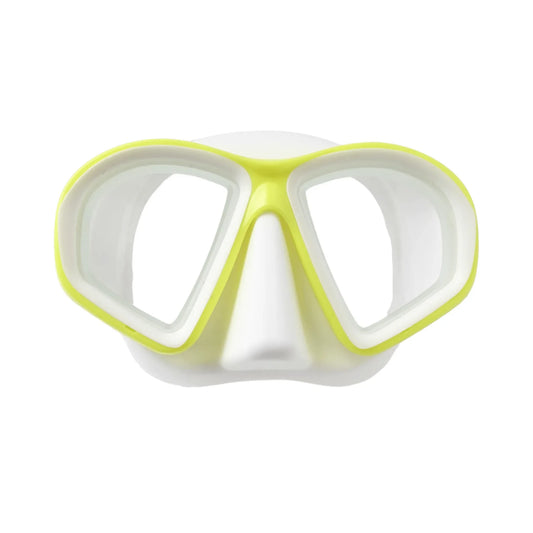
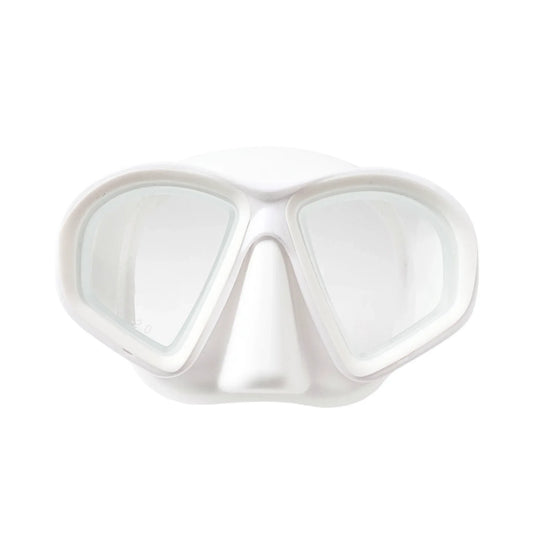
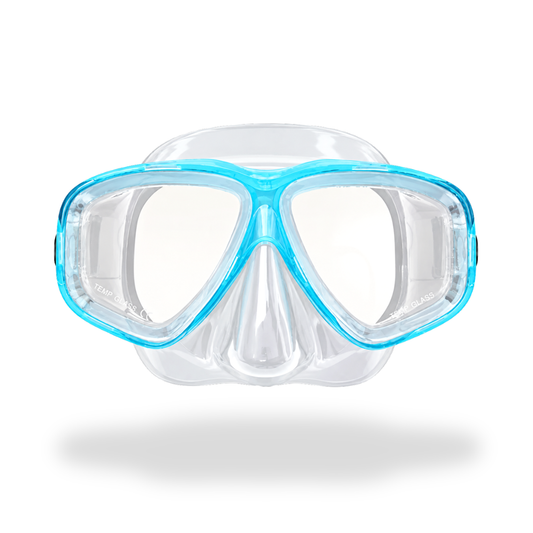
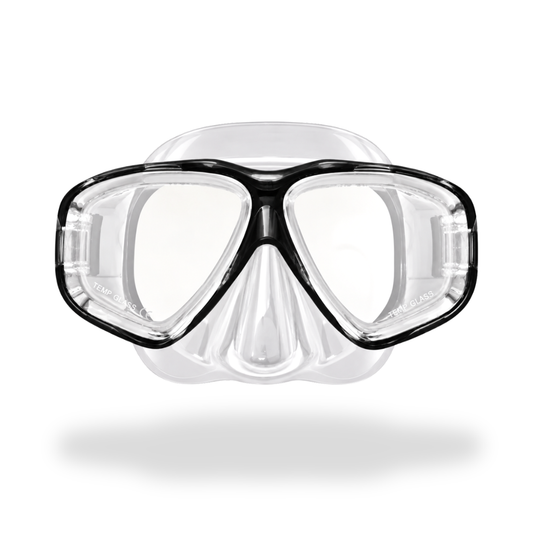
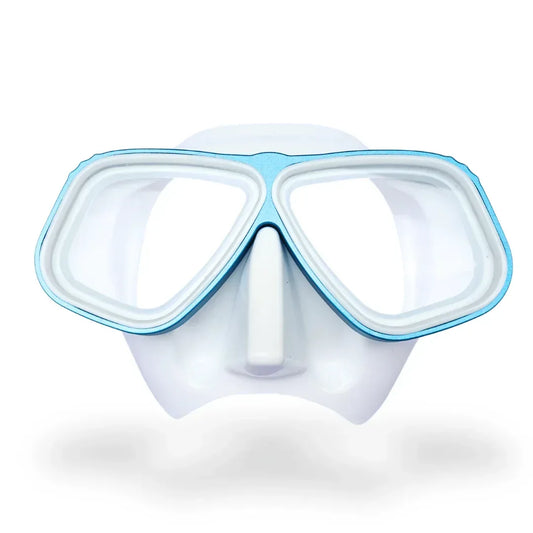
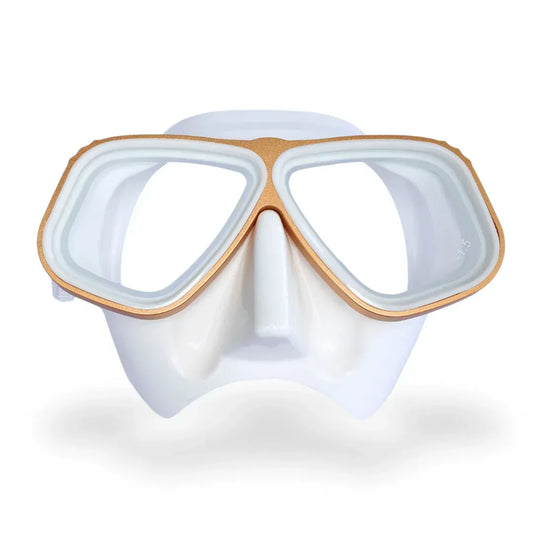
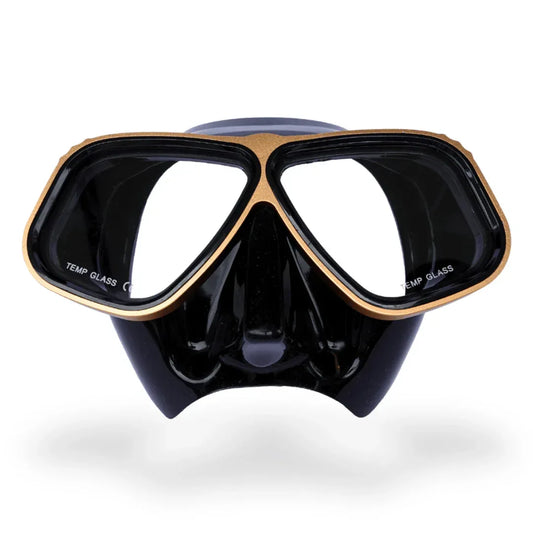
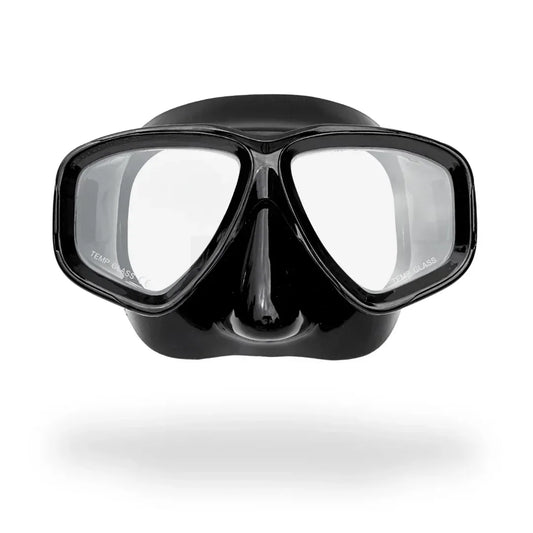
For many nearsighted and farsighted snorkelers, a prescription snorkel mask is the simplest alternative. Corrective lenses are fitted directly into the mask, allowing you to see underwater without wearing contacts or glasses underneath it.
Pre-made prescription masks are available in a range of lens strengths, and many allow you to choose a different strength for each eye. They're best suited to relatively straightforward prescriptions.
Fully Custom Prescription Masks
If you have a more complex prescription, such as significant astigmatism, prism, or vision needs outside the range of standard corrective lenses, a fully custom prescription mask may be more appropriate. These are generally more expensive because the lenses are made specifically for your prescription.
Stick-On Magnifiers
If your distance vision is good but you need help seeing something close-up, such as a dive computer or camera screen, a stick-on magnifier may be enough. These provide correction in a small portion of the mask rather than across your entire field of vision.
Snorkeling Without Correction
People with very mild prescriptions may be comfortable snorkeling without vision correction at all. However, a mask doesn't actually correct nearsightedness or farsightedness, so whether this works depends on your eyesight and how much detail you want to see underwater.
Wear glasses instead of contacts? Regular eyeglasses don't work well underneath a traditional snorkel mask either, but there are several alternatives. Read our guide to "Snorkeling with Glasses" to compare your options.
A Dive Instructor’s Perspective
As dive instructors, we've worked with plenty of snorkelers and divers who normally rely on glasses or contact lenses on land. One of the biggest advantages of having your vision correction built into your mask is simply having one less thing to think about in the water.
You can put your mask on before entering the water and keep your vision correction in place throughout the snorkel. There's no need to wear your everyday glasses underneath the mask or rely on contacts while you're in the water.
Whatever option you choose, test it somewhere calm before your trip. Make sure your mask fits properly, you're comfortable clearing it if water gets inside, and you can see well enough to feel confident in the water.
Frequently Asked Questions About Snorkeling With Contact Lenses
Can you wear contact lenses under a snorkel mask?
A snorkel mask may reduce how much water reaches your eyes, but it doesn't guarantee that your contacts will stay dry. Masks can leak or flood, and both the CDC and FDA recommend avoiding water exposure while wearing contact lenses.
Can you scuba dive with contact lenses?
Wearing a dive mask reduces direct water exposure, but it doesn't guarantee your contacts will remain dry. A mask can leak or flood during a dive, exposing the lenses to water. Because health authorities recommend avoiding water exposure while wearing contact lenses, a prescription dive mask is an alternative for divers who need vision correction.
Are daily disposable contacts safe for snorkeling?
Daily disposable lenses don't eliminate the risks associated with exposing contact lenses to water. The CDC recommends removing contact lenses before swimming rather than relying on the type of lens being worn.
What if no water gets inside my snorkel mask?
Keeping your mask completely dry reduces the opportunity for water to contact your lenses, but it doesn't remove the possibility of exposure. Even a well-fitting snorkel mask can occasionally leak or flood.
Can I wear contacts in the ocean?
Contact lenses should be kept away from water, including ocean water. If you need vision correction while snorkeling, alternatives include a prescription snorkel mask or, depending on your vision needs, corrective magnifiers.
Can I wear glasses under a snorkel mask?
Regular glasses generally don't work underneath a traditional snorkel mask because the arms pass beneath the silicone skirt and interfere with the watertight seal. If you wear glasses, see our guide to snorkeling with glasses for the available alternatives.
See Clearly Underwater Without Contact Lenses
If you normally rely on contacts to see clearly, switching to a prescription snorkel mask can give you the vision correction you need without wearing lenses on your eyes in the water.
At Oceans Optics, our prescription snorkel and scuba masks are available in a range of nearsighted and farsighted lens strengths, with the option to select a different strength for each eye.
Not sure which lenses you need? Use our Prescription Lens Calculator to find the appropriate lens strength based on your glasses prescription, our Face Fit Scanner to find a mask suited to your face size and shape, or our Find My Mask Quiz to get a complete mask recommendation.